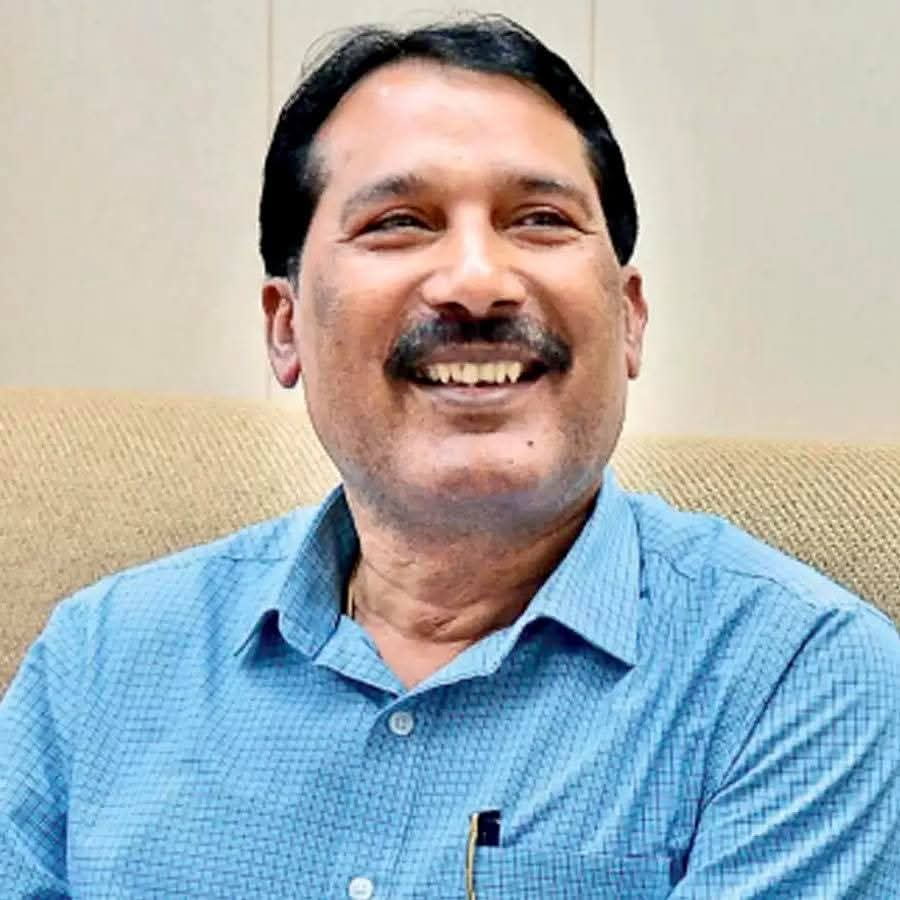
S. Tarlochan Singh Bhatti stands out as a rare and distinctive voice in modern Punjabi literature. His literary work, Bharat Da Samvidhan (Kavita Wich), was published by the Rural Integrated Training and Development Society (Regd.), Amritsar, in association with the Punjab State Information Commission, Chandigarh, in the year 2025. The work renders the Preamble and all Parts and Articles of the Constitution of India into accessible, rhythmic Punjabi verse, making constitutional concepts easier for common Punjabi readers to understand, alongside a Hindi translation. As a former Civil Servant, S. Tarlochan Singh Bhatti brings insider knowledge of governance and public administration. His decision to versify the Constitution reflects his deep commitment to making the Indian Constitution — a complex legal document — approachable and memorable for ordinary citizens. The work promotes constitutional values such as justice, equality, liberty, fraternity, and national unity, contributing to civic education in Punjabi and aligning with commemorations of Republic Day (26th January) and Constitution Day (26th November), while incorporating artistic illustrations referencing the original illuminated Constitution.
Bhatti’s work is distinctive because it represents one of the few sustained attempts to render the Constitution itself into poetry in Punjabi — rather than using democracy merely as a backdrop for romance, spirituality, or political protest. His work stands out as a rare example of constitutional literature in poetic form in Punjabi, blending legal knowledge with literary creativity. The book has received appreciation from senior officials, including Mr. Suresh Arora, IPS (Retd.), former Director General of Police, Punjab, and former Chief Information Commissioner, Punjab, who praised it for strengthening democracy through public education on the Constitution.
The defining characteristic of Bhatti’s work is its genre: didactic and explanatory poetry focused on constitutional literacy. It is neither lyrical romance, nor spiritual mysticism, nor fiery protest — but a structured ‘verse summary’ of a complex legal document. His style is straightforward, narrative, and explanatory, prioritising clarity and retention over heavy metaphor or emotional intensity. Bhatti’s uniqueness lies in being one of the few — if not the only — full-length attempts in Punjabi to render the entire Constitution in poetry. While there exists a Hindi multi-poet collection, Chandbaddh Bharat Ka Samvidhan (2023), Bhatti’s book is a single-author Punjabi work written in Gurmukhi script. Unlike most poets, he works entirely within the constitutional framework — explaining and promoting it — making his work uniquely practical and reformist, with the aim of building constitutional awareness and strengthening democracy through public understanding, with a focus on post-1950 constitutional literacy.
Bhatti’s Punjabi work stands out as a rare, systematic, and accessible poetic retelling of the Indian Constitution. While several poets have written on constitutional themes, most efforts are shorter, thematic, or celebratory rather than comprehensive. Bhatti employs rhythmic Punjabi kavita with rhyme and metre, using simple, folk-accessible language designed for recitation and mass awareness. His recurring slogan encapsulates the book’s core message:
“ਪੜੋ ਸੰਵਿਧਾਨ, ਬਣਾਓ ਭਾਰਤ ਮਹਾਨ”
(Read the Constitution, Make India Great)
The book features lavish illustrations, including calligraphic-style images from the original Constitution, depictions of Dr. B.R. Ambedkar, national symbols, and historical scenes. It also contains messages and photographs of distinguished dignitaries: Smt. Droupadi Murmu, Hon’ble President of India; Dr. Rajendra Prasad, the first President of India; Shri Narendra Modi, Hon’ble Prime Minister of India; and Mr. Justice Dr. D.Y. Chandrachud, the Hon’ble Chief Justice of India. The book is dedicated to Bharat Ratna, Babasaheb Ambedkar, and the people of Bharat.
Written entirely in accessible Punjabi in Gurmukhi script, the work brings the Constitution into the cultural and linguistic world of Punjabi speakers. It employs traditional poetic devices familiar from Punjabi kavita, vaar, and folk traditions, making abstract concepts such as Fundamental Rights, Fundamental Duties, and the Directive Principles of State Policy feel immediate and rooted. It is designed explicitly for mass awareness —
“ਘਰ ਘਰ ਸੰਵਿਧਾਨ ਪੜਿਆਂ ਵੀ ਜਾਵੇ”
(May the Constitution be read in every home)
In an era of low constitutional literacy, this work represents a creative, grass-roots intervention rather than an academic treatise. It blends explanation with patriotic fervour, emphasising unity, equality, social justice, and nation-building, while celebrating Ambedkar’s vision. The book occupies a special niche in modern didactic and patriotic Punjabi literature, applied to a secular, constitutional, and national framework. Its uniqueness lies in transforming the world’s longest written Constitution into singable, comprehensible Punjabi poetry — making it both a literary achievement and a practical tool for democratic education. It deserves recognition as a noteworthy contribution to Punjabi people’s literature in India.
The book concludes with the following verse of gratitude:
ਧੰਨਵਾਦ ਉਹਨਾਂ ਦਾ, ਜੋ ਸੰਵਿਧਾਨ ਨੂੰ ਪੜ੍ਹਦੇ ਨੇ,
ਧੰਨਵਾਦ ਉਹਨਾਂ ਦਾ, ਜੋ ਸੰਵਿਧਾਨ ਨਾਲ ਖੜ੍ਹਦੇ ਨੇ,
ਧੰਨਵਾਦ, ਜਿਨ੍ਹਾਂ ਦੇ ਸਰੋਤ ਕਾਵਿ-ਪ੍ਰਸੰਗ ਵਿੱਚ ਪਰੋਏ ਨੇ,
ਧੰਨਵਾਦ ਉਨ੍ਹਾਂ ਦਾ, ਜੋ “ਅਸੀਂ, ਭਾਰਤ ਦੇ ਲੋਕ’ ਹੋਏ ਨੇ।
(Gratitude to those who read the Constitution / Gratitude to those who stand by the Constitution / Gratitude to those whose resources are woven into poetic discourse / Gratitude to those who are ‘We, the People of India.’)
Prof. (Dr.) Emanual Nahar
Dean, Social Sciences and Liberal Arts
Former Chairman, Punjab State Commission for Minorities